Streamlining Compliance: Best Practices for Legal Teams


In today’s fast-paced business environment, legal teams are under increasing pressure to ensure compliance while managing a myriad of other responsibilities. Streamlining compliance processes can lead to more efficient operations, reduced risk, and improved outcomes for legal departments. Below are some best practices to help legal teams achieve these goals.
Embrace Technology
Leveraging technology can significantly enhance the efficiency of compliance processes. Implementing automated compliance management systems can reduce manual tasks and minimize human error. These systems often come equipped with features like real-time monitoring, automated alerts, and comprehensive reporting, which allow legal teams to stay on top of compliance requirements with ease.

Additionally, utilizing cloud-based solutions can facilitate better collaboration among team members and provide access to essential documents and data from anywhere. This flexibility is particularly beneficial for remote or hybrid work environments.
Develop a Comprehensive Compliance Strategy
A well-defined compliance strategy is crucial for ensuring that all team members understand their roles and responsibilities. This strategy should outline the organization’s compliance goals, the regulations that apply, and the steps necessary to achieve compliance. Regularly reviewing and updating this strategy can help the team stay aligned with any changes in the regulatory landscape.
It’s beneficial to create a compliance calendar that highlights key deadlines and important compliance-related activities. This calendar can serve as a central point of reference for the team, ensuring that nothing falls through the cracks.
Engage in Continuous Training
Continuous training is essential for keeping legal teams informed about the latest compliance regulations and best practices. Regular training sessions and workshops can help team members stay updated and refine their skills. These sessions can also foster a culture of compliance within the organization, encouraging everyone to prioritize and adhere to regulatory requirements.

In addition to formal training, providing access to online resources and industry publications can further support ongoing learning and development.
Foster Effective Communication
Clear and open communication is key to a successful compliance program. Legal teams should establish communication channels that allow team members to share information quickly and efficiently. Regular meetings and updates can ensure that everyone is on the same page and aware of any changes in compliance requirements.
Moreover, encouraging feedback from team members can lead to improvements in compliance processes and foster a sense of ownership and accountability.
Conduct Regular Audits
Regular audits are a proactive way to identify potential compliance issues before they escalate. These audits help ensure that all processes are being followed correctly and can highlight areas that need improvement. Legal teams should establish a schedule for conducting these audits and use the findings to refine their compliance strategies.
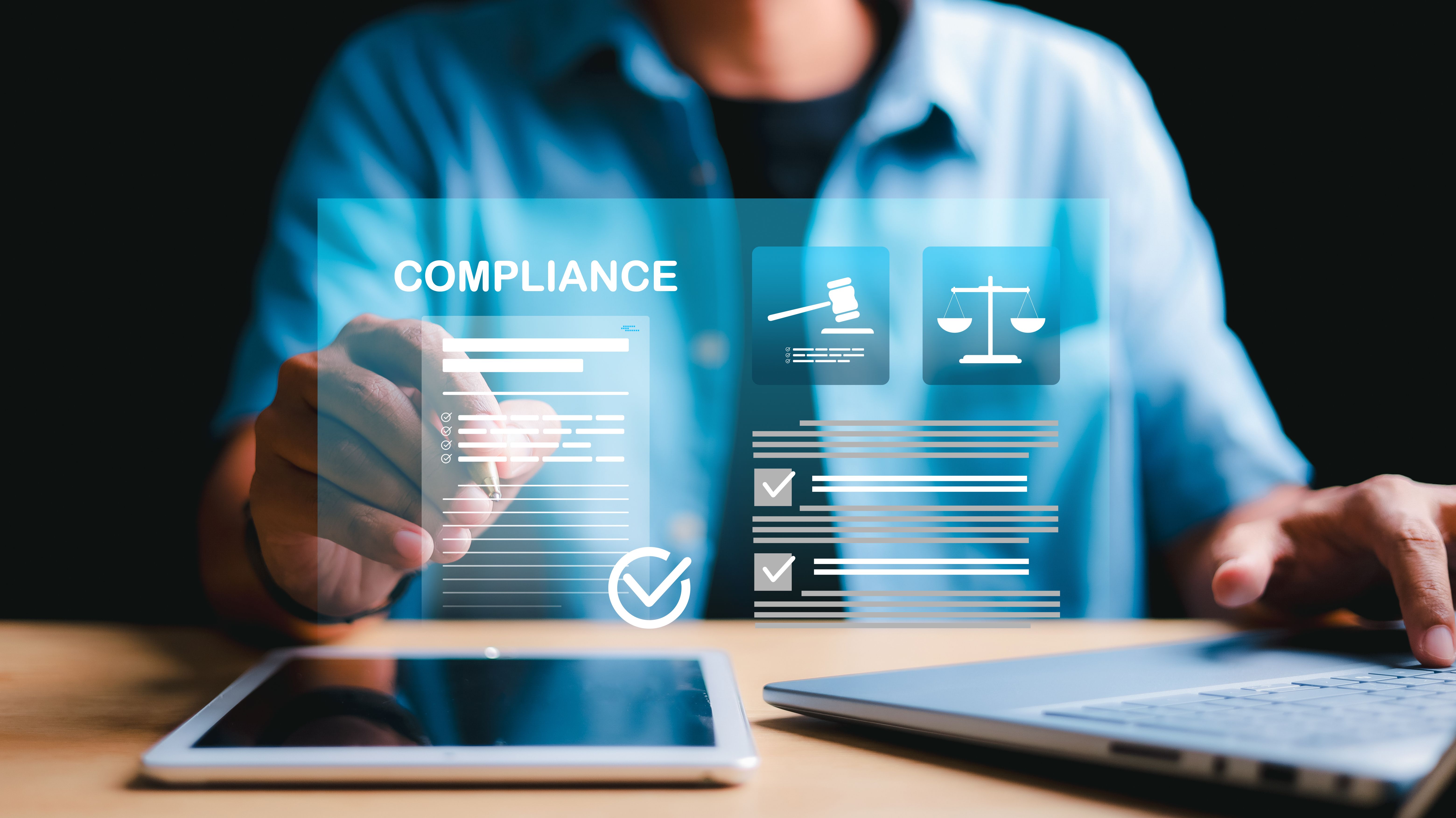
By implementing these best practices, legal teams can streamline their compliance processes, reduce risks, and contribute to the overall success of their organizations. Staying proactive and adaptable in the face of changing regulations will ensure that compliance remains a top priority and an integral part of the organizational culture.